

Uncategorized
UK Vape Tax 2026: What It Costs and Who Pays
Aug
A UK vape tax has been legislated to take effect in October 2026. It is charged per millilitre of nicotine containing e liquid, and it will change what vaping costs in ways that are not obvious at first glance.
This guide explains how the vape tax works, who pays what, which products are affected, which are not, and what you can sensibly do about it.
Contents
- What the vape tax is
- How it is calculated
- Who actually pays it
- Which products are affected
- What falls outside it
- The counterintuitive effect on low strength liquid
- Why tobacco duty rose at the same time
- Why the government introduced it
- What you can do about it
- The illicit market risk
- Frequently asked questions
What the vape tax is
It is an excise duty, the same category of tax as alcohol and tobacco duty. HMRC sets out the framework for excise regimes in its excise duties guidance. Until now e liquid carried only VAT, which is a proportional tax on the sale price. An excise duty is different: it is a fixed amount per unit, applied before VAT.
That structural difference matters more than the headline rate. VAT scales with price, so a cheap product carries less VAT than an expensive one. Excise duty does not scale. Every millilitre carries the same charge whether it came from a budget bottle or a premium one.
How it is calculated
Duty is charged per millilitre of nicotine containing e liquid, at a single flat rate irrespective of nicotine strength.
Earlier proposals had tiered the rate by strength, so that stronger liquid paid more. That approach was dropped in favour of a single rate, which is simpler to administer and harder to game, but which has a significant side effect covered further down.
VAT is then applied on top of the duty inclusive price, so the final increase at the till is larger than the duty figure alone.
| Product | Volume | Duty applies? |
|---|---|---|
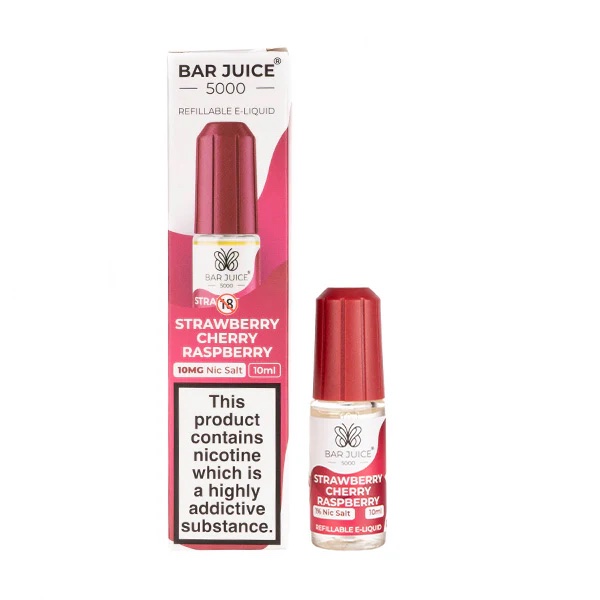
| 10ml nic salt bottle | 10ml | Yes, on all 10ml |
| 2ml prefilled pod | 2ml | Yes, on 2ml |
| 100ml nicotine free shortfill | 100ml | No |
| Nicotine shot added to a shortfill | 10ml | Yes, on the shot |
| Nicotine pouches | n/a | No, not a liquid |
| Heated tobacco sticks | n/a | No, tobacco duty instead |
Who actually pays it
Legally, duty is paid by the manufacturer or importer when the product enters the UK market. Practically, it is passed down the chain and lands on the consumer.
Retailers will also need to hold duty paid stock and account for it, which adds administrative cost, particularly for smaller independents. Some consolidation in the retail market is a likely consequence.
Which products are affected
Anything containing nicotine that is measured in millilitres. That means bottled nic salts, freebase e liquid, nicotine shots, and the liquid inside prefilled pods such as the Elf Bar and Lost Mary ranges.
Prefilled pods are hit proportionally hard relative to their size, because a 2ml pod already carries a high price per millilitre. Adding a flat per millilitre duty to a format that is already the most expensive way to buy liquid widens the gap against refillable kits.
What falls outside it
Three categories escape the vape tax entirely.
Nicotine free e liquid. Shortfills containing no nicotine are outside the duty, which is why a 100ml nicotine free shortfill plus a separately taxed nicotine shot will often be the cheapest legal route to a large volume of liquid.
Nicotine pouches. Products such as Zyn are not liquids and are not measured in millilitres, so the duty has no mechanism to reach them. This creates a meaningful price advantage for pouches.
Heated tobacco. IQOS and Ploom sticks already carry tobacco duty and are taxed under that regime instead.
Hardware is unaffected. Devices, pods without liquid, coils and tanks carry no duty.
The counterintuitive effect on low strength liquid
This is the part almost nobody expects, and it is the most important thing in this guide.
Because the vape tax is a flat rate per millilitre regardless of strength, it lands identically on a 20mg bottle and a 3mg bottle. But a 3mg vaper gets through far more liquid than a 20mg vaper does, because they need more volume to obtain the same nicotine.
The consequence is that sub ohm vapers, who typically run 3mg freebase through high output tanks and can use 10ml a day, face a much larger absolute increase than a mouth to lung vaper on 20mg salt using 2ml a day. Someone using five times the volume pays five times the duty.
If you run a sub ohm setup, this is the single biggest cost change coming, and it is worth understanding before the date rather than after.
Why tobacco duty rose at the same time
A one off increase in tobacco duty was announced alongside the vape tax, and the reasoning is deliberate.
UK policy treats vaping as substantially less harmful than smoking, a position set out in the NHS guidance on using e cigarettes to stop smoking, and relies on a price gap to keep switching attractive. Taxing e liquid narrows that gap. Raising tobacco duty at the same moment restores it.
Whether the gap stays wide enough is the open question. Public health bodies argued during consultation that any duty on e liquid risks discouraging smokers from switching, which is the tension at the centre of the policy.
Why the government introduced it
Two stated reasons. Revenue, since declining tobacco receipts leave a gap in the public finances. And discouraging youth uptake, on the theory that raising the price of the cheapest products reduces experimentation among young people.
The counterargument, made by both the vaping industry and several public health organisations, is that adult smokers respond to price more than teenagers do, and that the people most likely to be deterred are exactly the people the policy should be encouraging.
What you can do about it
Four practical responses, in order of how much they save.
Move to a refillable kit if you are on prefilled pods. This was already the cheaper option and the vape tax widens the gap, because prefilled pods carry the highest price per millilitre before duty is even applied. A Vaporesso XROS or OXVA Xlim pays for itself quickly.
Reconsider your strength if you sub ohm. Moving from a high volume sub ohm setup at 3mg to a mouth to lung pod kit at 20mg delivers similar nicotine from a fraction of the liquid. That is a large reduction in duty exposure.
Look at shortfills plus nicotine shots. Only the shot carries duty, so the arithmetic favours this route for anyone using significant volume.
Consider pouches for part of the day. Nicotine pouches are outside the duty entirely, and plenty of people already use a vape at home and pouches at work.
What is not worth doing is stockpiling heavily. E liquid degrades with time, light and heat, and nicotine oxidises. Buying a year of supply to beat the vape tax produces a year of increasingly flat tasting liquid.
The illicit market risk
The predictable consequence of duty on any product is an illicit market, and this is worth flagging as a buyer.
Non duty paid liquid will appear, and it will be sold by the same operators already selling unnotified stock in oversized bottles at illegal strengths. That product has not been through MHRA notification, its ingredients are undocumented, and the price advantage exists precisely because the safeguards were skipped. The MHRA notification requirements are what that stock has bypassed.
The way to tell is unchanged: legal UK nicotine liquid comes in 10ml bottles at 20mg or below, carries the required warning, and is sold by a retailer who checks your age. Anything else is not a bargain.
Frequently asked questions
When does the UK vape tax start?
The duty has been legislated to take effect in October 2026, charged per millilitre of nicotine containing e liquid.
How much is the vape tax?
It is a flat rate per millilitre applied to nicotine containing liquid regardless of strength, with VAT then charged on the duty inclusive price.
Does the vape tax apply to nicotine free e liquid?
No. Nicotine free shortfills fall outside the duty. Only the nicotine containing element, such as a nicotine shot, is taxed.
Are nicotine pouches taxed?
No. Pouches are not a liquid and are not measured in millilitres, so the duty does not reach them.
Will prefilled pods get more expensive?
Yes. The liquid inside a prefilled pod is nicotine containing and carries duty, and pods already have the highest price per millilitre of any format.
Who is hit hardest by the vape tax?
Sub ohm vapers on low strength liquid, because the flat per millilitre rate means high volume users pay far more in absolute terms than low volume users.
Should I stockpile e liquid before the duty starts?
Not heavily. Nicotine oxidises and flavour degrades with light and heat, so a year of stock will taste progressively flatter.
Does the vape tax apply to devices and coils?
No. Hardware carries no duty. Only nicotine containing liquid is affected.
